
Steel, an indispensable material for modern life, relies heavily on coal for its production — 70% of steel is produced using coal. Metallurgical coal, also known as coking coal, plays a crucial role in steel-making.
Unlike thermal coal burned for electricity, metallurgical coal is transformed into coke — an almost-pure carbon fuel that provides both the heat and the chemical reducing agent required to extract iron from ore in a blast furnace.
Steel production
Steel is produced through a three-stage process — each stage dependent on coal. From coke oven to blast furnace to basic oxygen furnace, metallurgical coal is the irreplaceable backbone of global steelmaking.
Coke production
The first stage is to transform coking coal into metallurgical grade coke, which is almost pure carbon. The process begins with the crushing and heating of the coking coal. It is then 'purified' or 'carbonised' in a series of coke ovens, known as batteries, where it is heated to 1000–1100°C in an oxygen-free environment for 12–36 hours. This process removes by-products and results in the production of coke.
Iron production
Coke is charged into a blast furnace together with iron ore and limestone. As the coke burns, it generates intense heat and carbon monoxide gas, which reacts with the iron ore to strip away oxygen and produce molten iron — also called pig iron or hot metal.
Steel production
Molten iron from the blast furnace is transferred to a basic oxygen furnace (BOF), where high-purity oxygen is blown through it. This oxidises excess carbon and impurities, converting pig iron into steel. The steel is then cast, rolled, and finished into the wide range of products used across industry.
Decarbonising the steel sector
Steel production is one of the most carbon-intensive industries globally — CCS is emerging as the most viable technology to reduce its emissions at scale.
Steel production is a carbon-intensive process, contributing significantly to global CO₂ emissions. This is where Carbon Capture and Storage (CCS) comes into play. CCS is a technology that can capture up to 95% of the CO₂ emissions produced from industrial processes like steel production. The captured CO₂ is then transported and stored deep underground in geological formations, making CCS a key technology for reducing greenhouse gas emissions and combating climate change.
The BF-BOF process, which accounts for 70% of today’s steel production, produces about 2.3 tonnes of CO₂ per tonne of crude steel. Implementing CCS in this process can significantly reduce these emissions. With increasing awareness and urgency to address climate change, the role of CCS in decarbonising the steel sector is expected to grow.
Despite the effectiveness of CCS, its implementation on a large scale in the steel industry has been limited. Financial incentives and regulatory frameworks have not been sufficient to spur multiple large-scale projects. This must change.

Building our modern world
According to United Nations estimates, the global population is projected to increase from 8 billion in 2022 to 10 billion by 2050, and further rise to 12.4 billion by the end of the century. Currently, urban dwellers comprise 55% of the total population, anticipated to climb to nearly 70% by mid-century.
The move towards urbanisation and industrialisation is expected to fuel a robust demand for steel and cement products, particularly in Asia, where coal is a critical resource for the majority of steel and cement production. Due to its versatility and wide range of applications in consumer goods, transportation, construction, and infrastructure, steel ranks as one of the most extensively utilised materials worldwide.
Using steel to build renewables
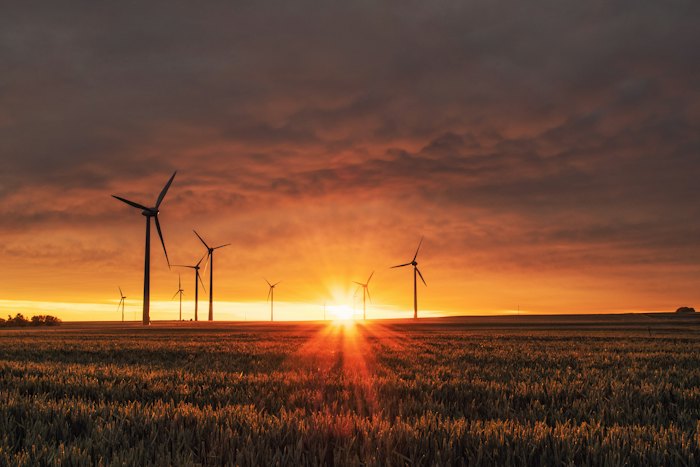
Affordable steel is a crucial component in the production of equipment for renewable energy. This is particularly evident in China, which has established itself as a leader in manufacturing renewable energy technologies. According to the Global Energy Monitor, China has set ambitious targets to reach approximately 1,371 gigawatts of wind and solar capacity by 2025.
China’s prominence in renewable energy and coal and steel manufacturing is expanding concurrently. Coal’s role extends beyond being a source of energy — it is instrumental in supporting the production of renewable energy technologies and ensuring grid stability.
Going
forward.
Looking towards the future, the World Steel Association projects a significant increase in steel usage. By 2050, it is estimated that the steel demand will grow by an additional 20%. This forecast underscores the enduring importance of coal, as it continues to be a crucial component in steel production and industrial growth.
The projected rise in steel demand is likely to be driven by various factors, including urbanisation, population growth, and industrial development. As economies expand and societies evolve, the need for infrastructure, transportation, and consumer goods — all of which rely heavily on steel — will increase.
Given that coal is a key ingredient in steel production, its role remains integral to the growth of this vital industry. Therefore, even as we strive for cleaner and more sustainable energy sources, the significance of coal in industrial processes such as steel production continues to be a critical consideration for the future.